Trust, Power, and Oversight: What Harold Shipman Taught Us About Professional Integrity
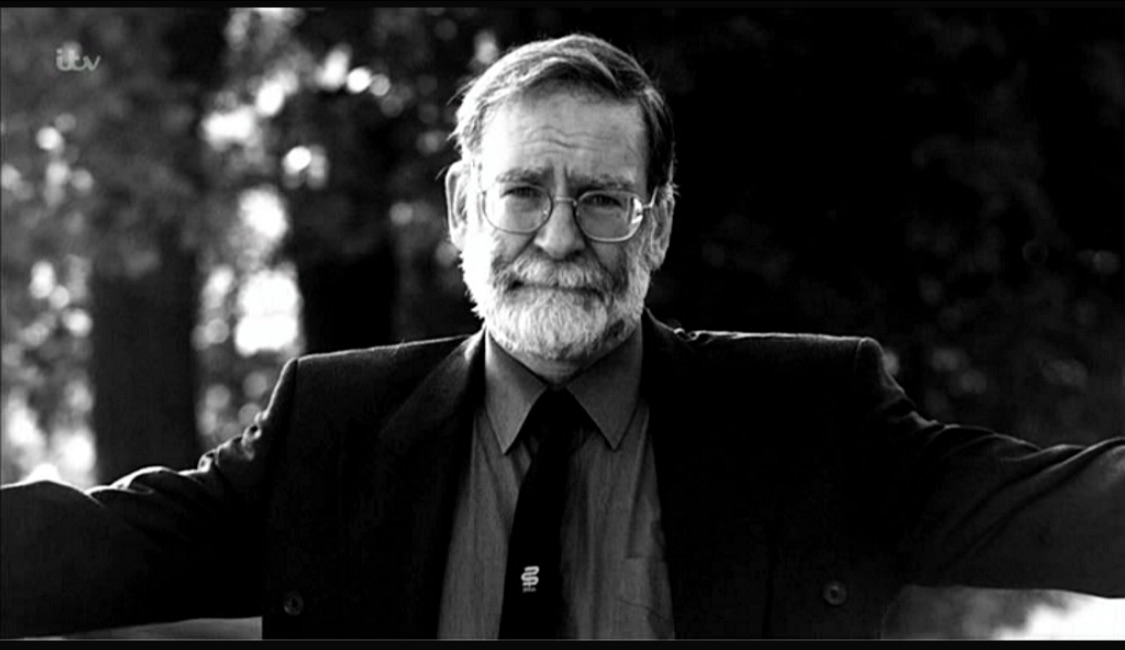
Few names in modern British history provoke as much horror and introspection as Harold Shipman. A respected GP in a quiet English town, he was also one of the most prolific serial killers in recorded history. His crimes didn’t just shock the public, they dismantled faith in professional self-regulation and forced every profession, from medicine to law, to re-examine its relationship with trust, power, and oversight.
A Breach of the Ultimate Trust
Shipman’s patients trusted him completely. As their doctor, he had access to their homes, medical histories, and vulnerabilities. He wasn’t just providing care; he embodied authority. That authority gave him the ability to act without question, and that is precisely what allowed his crimes to go unnoticed for so long.
In the aftermath, the Shipman Inquiry, led by Dame Janet Smith, revealed systemic blind spots. Doctors could certify deaths for their own patients, investigations into mortality rates were minimal, and even colleagues who sensed something was amiss lacked a clear mechanism to raise concerns. The result? More than 200 patients were unlawfully killed under the guise of medical care.
The scandal wasn’t only about one man’s evil. It was about what happens when professional trust operates without sufficient checks and balances.
The Ethics of Power and Independence
The Shipman case exposes a timeless truth: where there is trust, there is potential for abuse. Professions built on fiduciary duty, medicine, law, finance, estate planning, all rely on that delicate balance between expert authority and accountability.
A conflict of interest arises when the professional’s power and the client’s vulnerability collide. Shipman’s ability to both prescribe medication and certify death created an impossible ethical concentration of power. It’s not hard to see echoes of this risk in other professions, whenever the same individual both advises and benefits, or verifies and profits.
For will writers and estate planners, the parallel is clear. Acting for elderly or vulnerable clients requires constant vigilance. Even well-intentioned professionals can find themselves in ethically ambiguous positions if they fail to separate their advisory role from personal interest or unchecked influence.
Oversight Is Not Distrust
One of the biggest lessons of the Shipman Inquiry was that oversight is not the enemy of professionalism, it’s its safeguard. Before the scandal, many argued that doctors should be trusted to regulate themselves, free from bureaucracy. Shipman destroyed that illusion. The reforms that followed introduced systems for revalidation, monitoring, and more transparent death certification processes.
For legal and financial professionals, similar principles apply. Transparency, peer review, client consent, and documented advice are not obstacles; they are protections, for both client and practitioner. True integrity welcomes scrutiny because it strengthens trust rather than undermines it.
Trust and the Human Condition
On a philosophical level, Shipman’s story forces us to confront an uncomfortable paradox. Trust is the foundation of civilisation, the social glue that allows people to surrender control to experts. Yet too much unexamined trust can become blind faith. As Yuval Noah Harari might suggest, professional systems are built on shared belief, an imagined order, that only works when we balance belief with verification.
The goal isn’t to abandon trust but to anchor it in accountability. A system that protects only authority will always drift toward corruption. A system that protects only suspicion will collapse under paranoia. Professional integrity lives somewhere in between.
The Legacy of Shipman
The reforms born out of the Shipman Inquiry transformed not only medicine but the wider culture of professional ethics. Today, we have stronger oversight mechanisms, mandatory reporting, and data transparency. Yet the deeper lesson endures: ethics can’t rely on procedure alone. It requires character, humility, and the willingness to accept oversight as an act of service, not suspicion.
At Conwy Wills and Trusts, we hold that trust is sacred, but it must be earned, maintained, and subject to scrutiny. Because integrity without accountability is not integrity at all.
📞 01492 463218
📧 admin@conwywillsandtrusts.co.uk
🌐 www.conwywillsandtrusts.co.uk
#ProfessionalIntegrity #HaroldShipman #ConflictOfInterest #Ethics #TrustAndPower #ConwyWills